



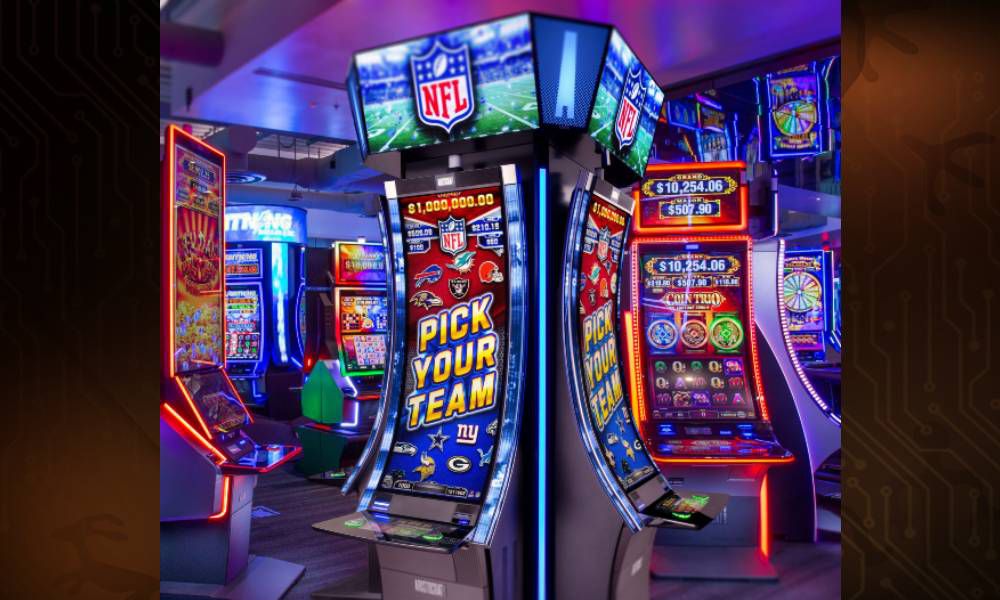



Digital slot games differ from other games in the market by their animation programming choices, physics simulation variations, and visual design philosophies. The reel spin speed and symbol drop mechanics used in free credit no deposit, as well as the transition effects and animations, form clear visual signatures that can range from realistic mechanical motion to imaginative animations that break physical laws.
Reel spin physics
Spin acceleration and deceleration curves control how reels start moving from a still position and slowly reduce speed before stopping. Some games use sharp starts and stops, while others rely on smooth and gradual motion to guide the reel movement. Physics-based momentum adds a mechanical feel by simulating weight and resistance. Variable spin durations across different reels within single games create staggered stopping patterns where leftmost reels halt before rightmost positions, building anticipation as outcomes reveal progressively. Some games synchronise all reels, stopping simultaneously for immediate result disclosure, trading suspense for efficiency.
Symbol transition methods
A cascading mechanic exchanges standard spins for vertical symbol drops. As new symbols fall into vacant positions within one spin, secondary win opportunities are created. As a result of gravity-driven motion, gameplay rhythm is fundamentally altered in comparison to traditional reel rotation. Expanding symbol animations transform individual icons into larger versions occupying multiple positions, with expansion speeds and visual effects varying widely across implementations. Some expand instantly while others grow gradually with accompanying sound effects and particle animations.
Animation layer complexity
- Foreground character animations overlay spinning reels with independent movement sequences featuring mascots, protagonists, or thematic elements reacting to gameplay events
- Background environment motion creates depth through parallax scrolling, where distant elements move more slowly than foreground components, simulating three-dimensional space
- Particle systems generate floating elements like sparks, leaves, or magical effects that drift across screens following physics simulations with collision detection and gravity effects
- Lighting effects shift dynamically, responding to game states, with dramatic spotlights highlighting big wins or ambient colour shifts reflecting different bonus modes
- Camera movement introduces zoom, pan, or rotation effects during special features, breaking static viewpoint constraints of traditional mechanical slots
Timing variation strategies
Anticipation delays occur when reels slow dramatically before final symbol positions lock, extending suspense during potentially winning combinations. These calculated pauses manipulate tension through temporal control, making near-miss scenarios or actual wins feel more dramatic. Bonus trigger sequences often interrupt standard timing patterns with elaborate transition animations that announce feature activations through unique motion signatures. These transitional moments employ distinct kinetic languages signalling mode changes through altered movement vocabularies.
Thematic motion integration
Movement styles align with thematic contexts where ancient Egypt slots might feature hieroglyphic symbols sliding into stone tablets, while space themes employ futuristic holographic materialisations. Motion becomes a narrative tool, reinforcing conceptual frameworks through kinetically appropriate expressions. Unique slot movements emerge from combinations of:
- Physics simulation choices determining realistic versus fantastical motion characteristics and momentum behaviours
- Symbol transition mechanics ranging from traditional spins to cascades, tumbles, expansions, and morphing transformations
- Multi-layer animation complexity integrating foreground characters, background environments, particle systems, and dynamic lighting effects
- Strategic timing variations using anticipation pauses, quick-play options, and elaborate bonus transition sequences
- Thematic motion alignment ensures kinetic vocabularies reinforce conceptual frameworks through culturally and contextually appropriate movement styles
These diverse motion elements combine to create distinctive kinetic identities that help individual games establish memorable visual personalities within competitive markets.


