





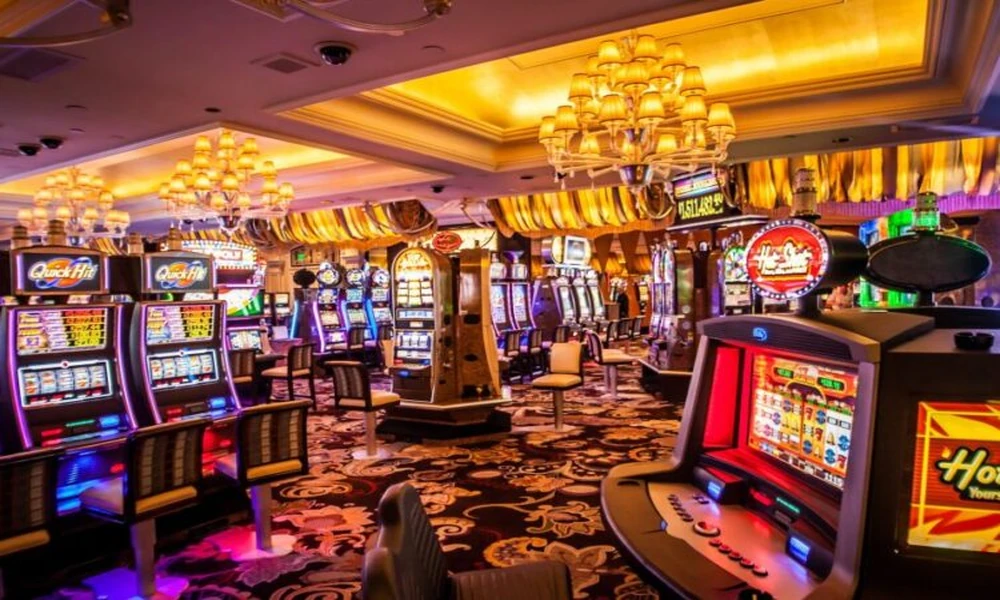



Production studios that broadcast table games need specialized equipment and layouts to stream gameplay effectively. A live casino operation requires more than gaming tables and dealers. The space must serve as a working casino floor and also act as a full television studio. Cameras and lights work with sound tools and online systems to build broadcasts that reach players in many nations and in many time zones.
Proper lighting installation
Studios depend on well-positioned lights to make games visible on camera. LED units mounted at specific heights and angles prevent shadows from falling across table surfaces where cards and chips sit. Dealers moving their hands during gameplay won’t create dark spots that hide important details from viewers. The intensity needs calibration, too bright causes glare on glossy surfaces, while dim lighting creates grainy footage that looks unprofessional. Most facilities use adjustable systems that accommodate different game requirements. Roulette setups require bright illumination, accompanied by free credit no deposit for easy access.
Camera arrangements
Recording equipment captures action from various positions to give viewers complete perspectives. One camera typically sits at eye level with the dealer, showing facial expressions and hand movements as games progress. An overhead camera points downward to display the full table layout, making card distributions and chip placements clear to remote players.
- Roulette wheels get dedicated cameras that track ball movement and final pocket results
- Card reveals often use macro lenses that zoom in tight on individual suit and rank markings
- Backup cameras stand ready to take over if primary units malfunction during active gaming
- Wide shots establish the studio environment and create context for the gaming experience
- Switching between feeds happens smoothly to maintain viewer engagement without jarring transitions
Directors choose camera angles based on what information players need at each moment. A blackjack hand requires clear views of the dealer’s cards and the player’s position. Baccarat depends on showing both the banker and player sides simultaneously.
Internet streaming technology
Broadcasting depends on strong internet links that hold large data loads without sudden breaks. Studios keep more than one network path, so the flow of play stays active even when one path stops. High definition video holds a huge amount of detail that must move fast so viewers see each moment without delay. Special computers turn raw camera output into shapes that can travel through the internet at a steady speed. The compression needs balance, too much degrades image quality and makes cards difficult to read, while too little creates files too large for smooth streaming.
Sound system setup
Audio equipment captures dealer announcements and ambient sounds that make broadcasts feel authentic. Small wireless microphones sit on the dealers in a way that does not show in the camera shots. These microphones take in the voice with strong detail and block unwanted noise that would spoil the audio feed. Studios place acoustic panels on walls and ceilings to guide how sound moves through large open rooms. A room with no treatment sends sound back as echoes and long trails that make the dealer’s voice feel hollow or unclear. Noise filtering removes steady background sounds like air conditioning hum or electronic equipment buzz. These continuous tones become irritating to listeners during quiet moments between game rounds.
Broadcasting table games demands careful attention to production details that casual viewers might not notice. Lighting, camera work, audio quality, and streaming infrastructure all contribute to whether players trust what they see and enjoy their time watching. Studios invest heavily in equipment and design because technical problems or poor presentation drive players away to competitors with better production values.


